 Michal Kazimierczak
 7 min
7 min 
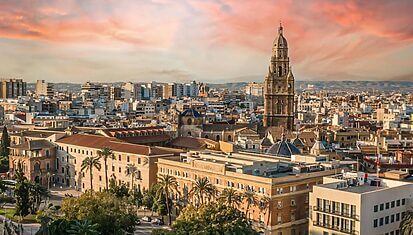
Murcia is synonymous with authentic flavours, but the whole of Spain is full of traditional desserts that reflect the country’s cultural and gastronomic diversity. From the Murcian orchards to corners of Andalusia, Castile, Navarre or the islands, each region offers sweets that are true jewels with history, flavour and character. Join us to get to know them, from the most typical to the most surprising.
Paparajotes: the sweet emblem of Murcia
Murcia is different, and so are its paparajotes. This dessert pays homage to its splendid vegetable garden and is made with lemon tree leaves, covered with a flour and egg dough that is then fried until crispy. They are sprinkled with powdered sugar and cinnamon, creating a unique aroma and flavor. Although the leaves are not eaten, they provide an unmistakable freshness that makes this dessert addictive and a unique experience for the palate.
Piononos: Andalusian sweet tradition with papal history
In Andalusia they have a very sweet tooth and devotion, and the pionono is a clear example of this. This cylindrical cake was created by Ceferino Isla González in honor of Pope Pius IX, after the proclamation of the dogma of the Immaculate Conception. Traditionally made in Santa Fe, near Granada, it consists of a sponge cake moistened in syrup, filled with cream and topped with a toasted layer that provides texture and flavor. Although its origin is Andalusian, today it is possible to find it in many other areas of the region.
Fartón: the perfect pair for Valencian horchata
The Valencian Community brings fartón to this sweet trip, an elongated, soft and fluffy bun, made with sunflower oil to make it light. This sweet is the ideal companion to horchata, a refreshing drink typical of the area, but it also combines perfectly with hot chocolate or coffee with milk. With a good fartón, a breakfast or snack is guaranteed to be a success.
San Isidro donuts: Madrid tradition for May
In Madrid, San Isidro donuts are a must during the month of May and on the feast of the patron saint San Isidro. They are divided into two types: “silly”, which have no coating at all, and “ready”, dipped in fondant sugar. Both have the same dough, but their finish differentiates them and makes them unique on the Madrid table.
Sapillo: a sweet from Extremadura with a curious flavour and name
Sapoillo is a popular dessert in Extremadura, especially in Cáceres. Its name may not sound very appealing, but its taste is delicious. It consists of a stale bread dough soaked in milk with egg, flavored with lemon and cinnamon, which is then fried in olive oil until golden brown. It is usually served in deep plates with milk from its own cooking, which makes it comforting and traditional.
Yemas de Santa Teresa: the sweet gold of Ávila
In Castilla y León, Ávila is famous for two things: its wall and its Santa Teresa buds. These small orange balls, usually presented in white paper tartlets, are made exclusively with egg yolk and sugar. Their smooth texture and intense flavor make them a sweet symbol recognized around the world.
Miguelitos: the irresistible whim of Castilla-La Mancha
Who hasn’t stopped at a service station in Castilla-La Mancha and left with boxes of miguelitos under their arm? These thin puff pastry filled with cream and sprinkled with icing sugar originate from La Roda (Albacete), but their popularity has transcended borders. They are perfect for any time of the day and very difficult to resist.
Marzipan chestnut: the trompe l’oeil of Aragon
In Huesca, Aragon, a very special marzipan is made that imitates the appearance of a chestnut, thanks to a partial bath with colored caramel that simulates the skin of the fruit. This sweet is a real visual and gustatory surprise, a perfect example of traditional Aragonese creativity.
Fardalejos: the millenary sweet of La Rioja
La Rioja does not live on wine alone. Its fardalejos are a sweet of Arab origin that has been produced for more than a thousand years in Arnedo. They consist of a very thin puff pastry filled with a paste similar to marzipan, made with egg, ground almonds, lemon zest and sugar. They are an exceptional finishing touch to any Rioja meal.
In Navarre, chanchigorri cakes are a sweet and characteristic snack, especially in autumn. They are made with fried leftover lard, bread dough and sugar, and are round in shape. They are an essential part of traditional Navarrese gastronomy and a delight for those looking for authentic flavours.
Goxua: the Basque sweet with cream and caramel flavour
In the Basque Country, goxua is a dessert whose name simply means “sweet” in Basque. Originally from Vitoria, it is usually made with cream, sponge cake, pastry cream and liquid caramel, with a texture reminiscent of custard or curd. Each Basque region may have its variant, but its flavour always conquers.
Bienmesabe: the Canarian sweet of almond and honey
In the Canary Islands, bienmesabe stands out, a dessert with a thick and grainy texture made with egg, grated almonds, honey and grated lemon. Its name, which means “it tastes good to me”, reflects the pleasure produced by its intense and sweet flavour, highly appreciated in the island’s gastronomy.
Tarta de Santiago: Galician pride
Galicia is a paradise for foodies, and its Santiago cake is one of its emblems. Made with almonds, sugar, eggs and orange, it is characterized by the cross of Santiago on the surface. This cake is not only delicious, but it is a cultural symbol that arouses the curiosity and appetite of those who see it.
Ensaimada: the Balearic classic
Although it is not a discovery, the ensaimada de Mallorca is a must on any list of Spanish desserts. This sugary, fermented, lard-baked dough may or may not have angel hair filling, and its light and sweet texture makes it ideal for breakfast or snack.
Catalan creams and sobao pasiego: Catalan and Cantabrian sweetness
Crema catalana is a classic from the Northeast, similar to crème brûlée, with a layer of caramelized sugar that crunches when broken. In Cantabria, sobao pasiego is a sweet made of butter, flour, eggs, sugar and a touch of rum or anise. Ideal for dipping in coffee or milk, it is one of the most representative products of its gastronomy.
A sweet cultural and traditional mosaic
From Murcia to Galicia, passing through Andalusia, Castile, Navarre and the islands, these desserts are not only delights for the palate, but also bearers of history, identity and tradition. Each sweet tells a story, from its native ingredients to its shapes and names, often linked to festivities, celebrations or historical figures.
To try them is to delve into the soul of each region, share moments and discover the cultural richness that makes Spain a unique country in sweet gastronomy.